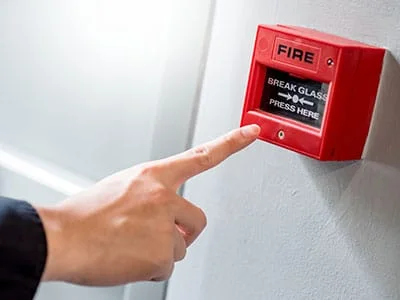
Fire Alarms
We design, supply and install a wide range of fire alarm systems and offer full maintenance and testing packages.

Our accreditations and memberships with the industry’s leading certification bodies ensure our systems are installed to the highest standards.

Including free site surveys, full project management, monitoring and maintenance and takeover of existing systems.

Each employee has a proper understanding of the importance of delivering excellence through our products and our customer service.

Dorset Fire & Security provides a total, end to end, fire alarm and security solution to commercial, public sector and residential customers throughout the UK.
We are dedicated to providing our customers with reliable and effective fire and security solutions. Whether you need protection from fires or intruders, or simply want peace of mind knowing that your property is properly secured, we can provide a comprehensive solution that meets all your needs.
Our fire alarm installer and security experts are highly skilled and experienced in all aspects of fire and security services. From planning and installation to ongoing maintenance and repair work, we have the expertise to handle every aspect of your project. And with 24/7 monitoring services available, you can rest assured that your property will always be safe and secure.
Leading Security Experts
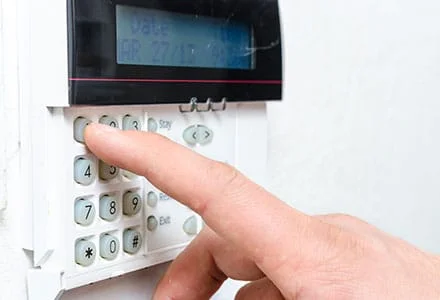
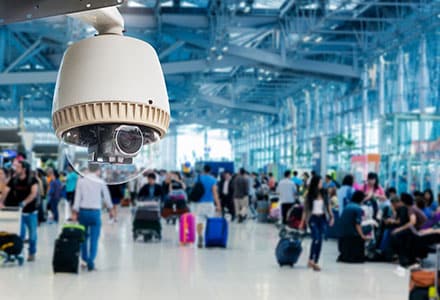
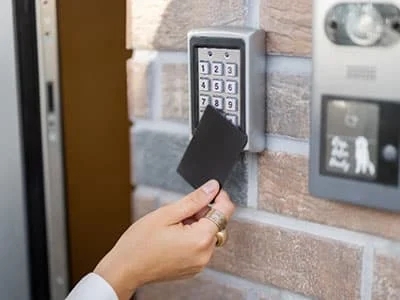
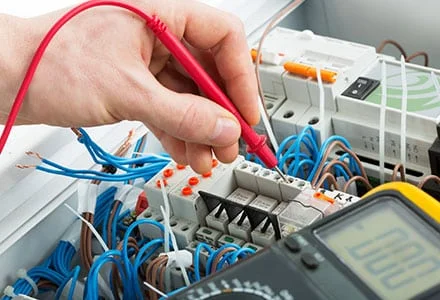
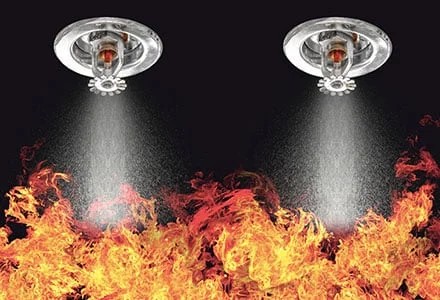
At Dorset Fire & Security, we are dedicated to providing commercial businesses with the best possible solutions for fire and security needs.
Our team of experts has years of experience in the industry, and we pride ourselves on offering innovative products and reliable service.
Whether you need a state-of-the-art security system to monitor your premises 24/7 or an effective fire alarm system, we have the expertise and equipment necessary to get the job done right.
So if you are looking for a trusted provider of commercial fire and security solutions, look no further than Dorset Fire & Security. We’ll help keep your business safe, secure, and worry-free.
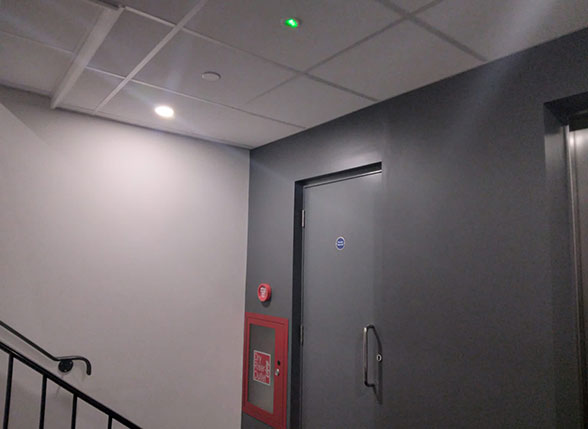
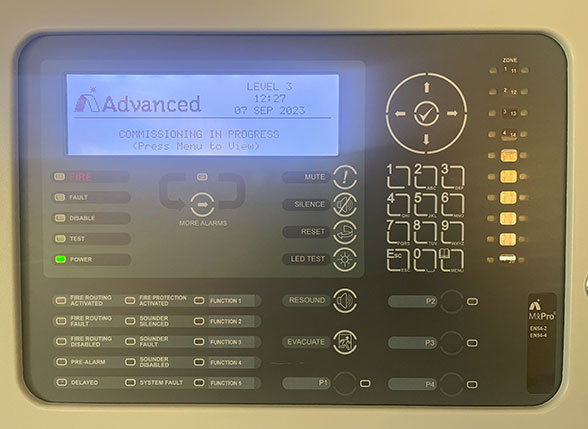
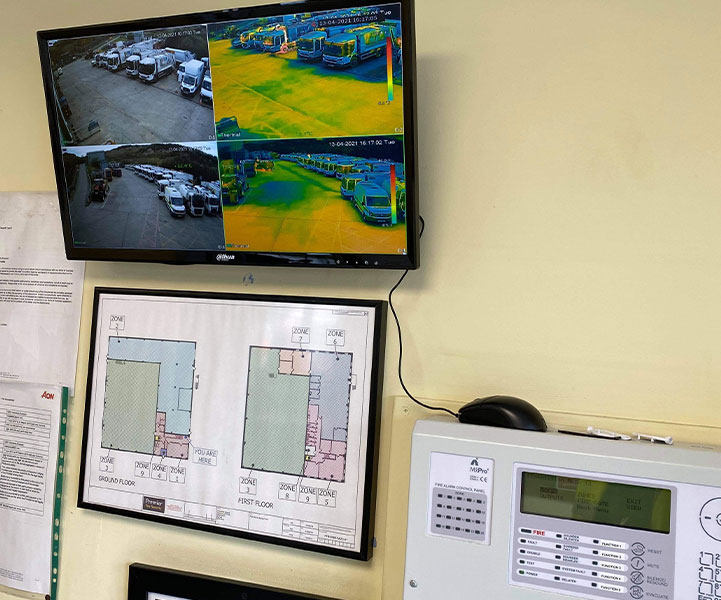
Our solutions are designed to meet your exact operational requirements. Our long-standing relationships with major manufacturers, allow us to offer a full range of security and fire solutions that are effective in any business environment.
As a leading supplier in the fire and security industry, we pride ourselves on our quality workmanship
and are accredited to the highest standards.

We are a leading provider of HD CCTV, Access Control, Fire Sprinkler Systems, Fire Alarms and Intruder Alarms to businesses throughout the UK.